The New Rules of Digital Marketing: What Businesses Need to Know
The way companies promote their products and services online has changed significantly over the years. Customers explore brands through search engines, social networks, websites, and digital advertisements before making purchasing decisions. Because of this shift, businesses need marketing approaches that go beyond simply promoting their offerings. Successful digital marketing now involves understanding audience behavior, sharing useful information, adopting new technologies, and building customer confidence.
Digital Marketing: Understand Your Audience Before Promoting Your Business
Every marketing campaign should begin with a clear understanding of the people it aims to reach. Businesses need to explore what their potential customers are looking for, which problems they want to solve, and what influences their buying decisions. This knowledge makes it easier to select suitable platforms and develop relevant promotional messages.
For instance, a company offering professional training courses may attract students through career guidance articles, course comparison pages, and information about industry requirements. Understanding the audience helps businesses spend their marketing budget more effectively and communicate with the right people.
Digital Marketing: Make Content Useful Rather Than Just Promotional
Online audiences encounter promotional messages throughout the day, so content needs to offer something worthwhile to gain their attention. Businesses can develop educational articles, practical tutorials, informative videos, and industry updates that answer questions their audiences frequently ask.
A company selling software, for example, could publish beginner-friendly guides explaining how particular tools work and where they are used. This approach gives readers useful knowledge while introducing the company's expertise. Publishing accurate and original information consistently can also support brand reputation and contribute to a stronger content marketing strategy.
Digital Marketing: Explore the Growing Role of Artificial Intelligence
Artificial intelligence is creating new opportunities for marketers to plan campaigns and understand their audiences. Depending on the tool, AI can assist with brainstorming topics, grouping customer enquiries, reviewing campaign data, drafting initial content, and automating routine activities.
However, automation should not replace careful decision-making. Marketing teams need to check generated information, add relevant industry knowledge, and make sure their content reflects the brand's identity.
Digital Marketing: Build a Website That Helps People Find Answers
A website should do more than display information about a business. It should make it easy for visitors to understand available services, explore relevant details, and find answers to their questions. Search engine optimization (SEO) helps improve the chances of website pages appearing for relevant searches.
To strengthen SEO, businesses should create pages that match search intent, organize information with meaningful headings, improve mobile usability, and maintain reasonable loading speeds. Descriptive page titles and useful internal links can also help visitors navigate the website. Instead of repeating keywords unnecessarily, businesses should focus on providing information that genuinely meets the needs of searchers.
Digital Marketing: Turn Social Media into a Two-Way Conversation
Social media marketing is more effective when businesses treat their followers as an audience to engage with rather than simply a number to increase. Posting content regularly is useful, but listening and responding to people is equally important.
Brands can experiment with short educational videos, behind-the-scenes updates, customer feedback, polls, and answers to common questions. Responding to comments and messages also creates opportunities to understand customer expectations. Choosing platforms based on audience preferences can help businesses use their time and resources wisely.
Digital Marketing: Let Marketing Data Guide Your Next Step
Marketing decisions become more informed when businesses examine actual campaign performance instead of relying entirely on assumptions. Different measurements can reveal how people discover a website, interact with content, and complete important actions.
For example, Google Analytics can help businesses study website activity, while advertising dashboards provide information about campaign performance. Marketers can review lead quality, conversion rates, cost per lead, and engagement to identify areas for improvement.
Digital Marketing: Deliver More Relevant Customer Experiences
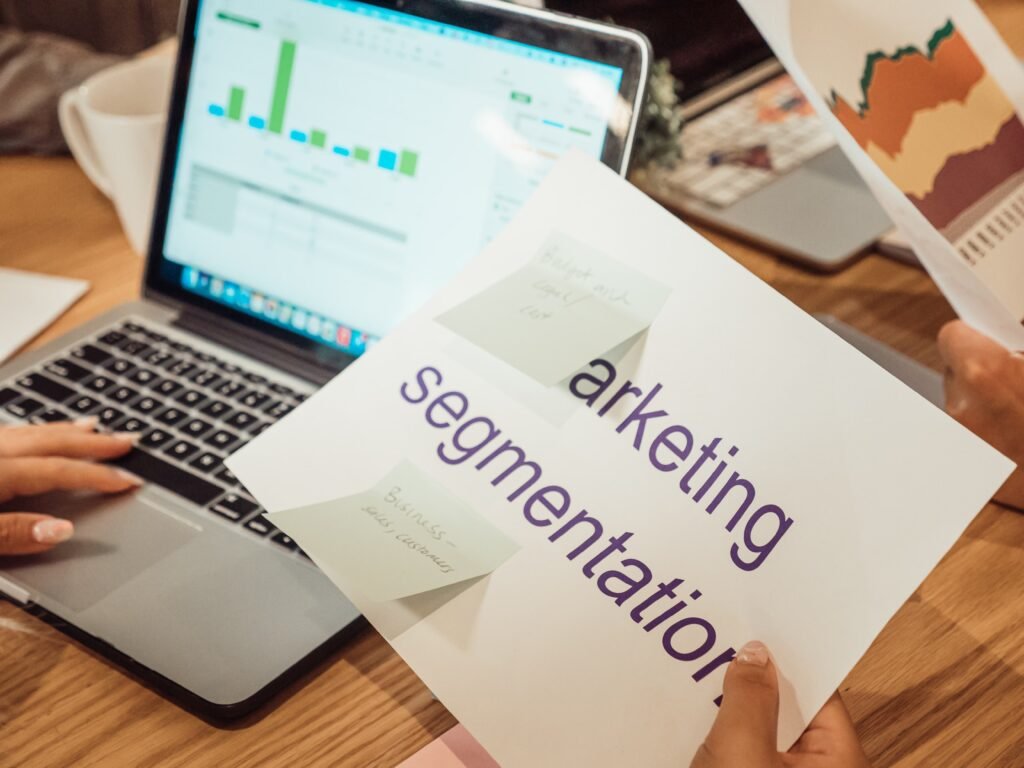
People respond differently to marketing messages depending on their interests, needs, and stage in the buying process. Businesses can improve relevance by organizing audiences into suitable groups and sharing information that matches those groups.
For example, someone researching a service may need an introductory guide, whereas a person comparing providers may prefer pricing details or a product demonstration. Email campaigns, tailored recommendations, and relevant follow-up messages can support these different needs.
Digital Marketing: Create a Balanced Mix of Organic and Paid Promotion
Businesses can reach online audiences through both unpaid marketing activities and paid campaigns. Organic methods, including SEO and regular social media publishing, can help establish visibility and build an audience over time. Paid advertising can provide additional reach and help businesses target specific groups according to campaign settings.
These methods can complement each other when used with a clear plan. A business might use blog content to attract visitors through search engines while running Google Ads to promote a particular service. Reviewing the cost, audience response, and quality of results helps determine how much effort and budget each channel deserves.
Digital Marketing: Test Ideas and Improve Campaign Performance
Digital marketing strategies should be reviewed regularly because audience preferences, platform features, and market conditions can change. Rather than assuming that one campaign will always perform well, businesses can test different approaches and learn from the results.
For example, marketers may compare two advertisement headlines, try alternative landing page layouts, or change the wording of a call-to-action button. These experiments can reveal which version encourages more meaningful actions.
Conclusion
Modern digital marketing requires businesses to understand their audiences, create useful content, make informed use of AI, improve website visibility, and build genuine engagement across online platforms. Organic promotion and paid advertising can work together, while performance analysis helps marketers identify opportunities for improvement. There is no single strategy that works equally well for every business.


Comments
Post a Comment