Understanding the Technology Behind Modern Web Applications
In today's digital world, almost every service we use depends on software applications. From online shopping and banking services to healthcare platforms and educational systems, technology has become an important part of our daily lives. Behind every successful application, there are developers who design, build, and maintain the systems that make these platforms simple and reliable for users.
Among the many career paths in software development, Full Stack Java Development has gained significant importance. It is not just about learning a programming language; it is about understanding how a complete application is created. A Full Stack Java developer works with different layers of software development, including the user interface, application logic, and database management.
For students, fresh graduates, and individuals planning to enter the IT industry, learning Full Stack Java provides a strong foundation to develop practical skills and explore various career opportunities.
What Is Full Stack Java Development?
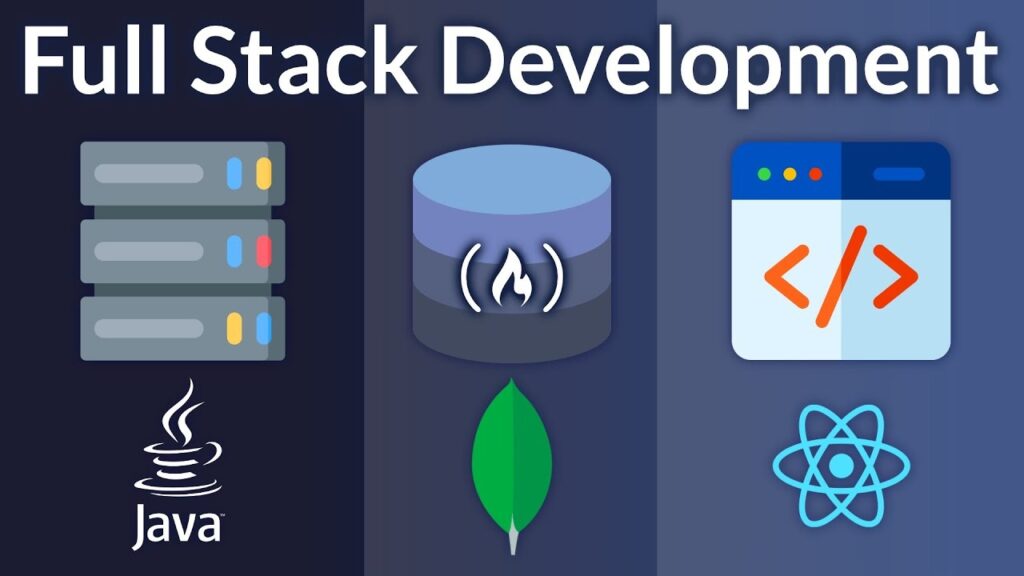
Full Stack Java Development is a complete approach to building web applications by combining Java-based backend technologies with modern frontend tools. It allows developers to handle different stages of application development, from creating attractive user interfaces to managing the internal operations that keep applications running efficiently.
The frontend handles the appearance and usability of an application, ensuring that users can easily access features through a smooth interface. It includes webpage designs, navigation elements, forms, and interactive features developed using technologies like HTML, CSS, JavaScript, Bootstrap, and React.
The backend manages the essential operations that happen behind the screen. It handles user requests, processes information, controls application functions, and connects with databases to store and retrieve data. Java, along with frameworks such as Spring Boot, helps developers create secure, scalable, and high-performing backend systems.
Why Java Remains a Popular Choice
Although new technologies continue to emerge, Java has maintained its position as one of the most reliable programming languages in the software industry. Many organizations, including financial institutions, healthcare companies, and large enterprises, continue to use Java because of its stability, security, and flexibility.
One of Java's greatest strengths is its ability to support large-scale applications. It can handle complex systems, perform efficiently under heavy workloads, and operate across different platforms. The strong global developer community and continuous improvements have helped Java remain relevant for decades.
Learning Java not only improves programming skills but also creates opportunities to work on real-world software solutions used by millions of people.
Skills Developed Through Full Stack Java Training
A quality Full Stack Java training program focuses on practical knowledge and problem-solving abilities rather than only theoretical concepts.
The learning journey usually begins with Java fundamentals such as object-oriented programming, data structures, exception handling, collections, and file management. These concepts help developers create efficient and organized code.
After understanding programming basics, learners explore frontend development by working with HTML, CSS, JavaScript, responsive design techniques, and frameworks like React. These skills help in creating user-friendly and interactive web pages.
The backend learning process includes Java Servlets, JSP, Spring Framework, Spring Boot, REST APIs, authentication methods, and application security. Students also gain knowledge of database operations using SQL and MySQL, allowing them to connect applications with stored information.
Version control systems like Git and GitHub are also important because they help developers track changes, collaborate with teams, and manage software projects professionally.
The Importance of Practical Projects
Programming skills become stronger when they are applied to real-world situations. Building applications through projects helps developers gain confidence, improve logical thinking, and understand the practical use of different programming concepts.
During Full Stack Java training, students may create projects such as:
- Student Management System
- Online Shopping Application
- Hospital Management System
- Employee Payroll System
- Online Examination Platform
These projects improve technical confidence and become valuable additions to a developer's portfolio. They also help candidates demonstrate their practical abilities during job interviews.
Career Opportunities in Full Stack Java
The increasing demand for web-based applications has created many opportunities for developers with full stack skills. Companies prefer professionals who can understand multiple areas of development and contribute effectively throughout the software development process.
Career roles after learning Full Stack Java include:
- Full Stack Java Developer
- Java Developer
- Backend Developer
- Software Engineer
- Web Application Developer
- API Developer
- Application Support Engineer
With experience and continuous learning, developers can advance into senior engineering positions, technical leadership roles, and software architecture careers.
Starting a Journey in Full Stack Java
Many beginners believe programming requires advanced technical knowledge, but every successful developer begins with learning basic concepts. Consistent practice, curiosity, and dedication are the important factors that help someone improve.
Writing code regularly, building small applications, understanding errors, and learning from mistakes gradually develop strong programming skills. Exploring new technologies and staying updated with industry trends also helps developers grow professionally.
Conclusion
Full Stack Java Development is a valuable skill that combines creativity, logic, and technical knowledge to build complete software solutions. It gives developers the ability to manage the complete application lifecycle, starting from user interaction and extending to data handling and system performance.
With practical learning, project experience, and continuous improvement, Full Stack Java can open the path toward a successful career in the technology industry. Every great application starts with an idea, and learning Full Stack Java gives you the ability to transform that idea into a working digital solution.


Comments
Post a Comment