Artificial Intelligence – Shaping the Future of Innovation
Introduction
Modern technology is advancing rapidly, and intelligent computer systems are becoming an important part of everyday life. Artificial Intelligence, commonly called AI, refers to machines and software that can perform tasks that usually require human thinking and understanding. These systems can study information, recognize patterns, understand language, and make decisions based on collected data. Over the last few years, AI-based technologies have influenced many industries and changed the way people communicate, learn, shop, and work. From smartphones and online applications to healthcare and transportation, intelligent systems are helping people complete tasks more efficiently and accurately.
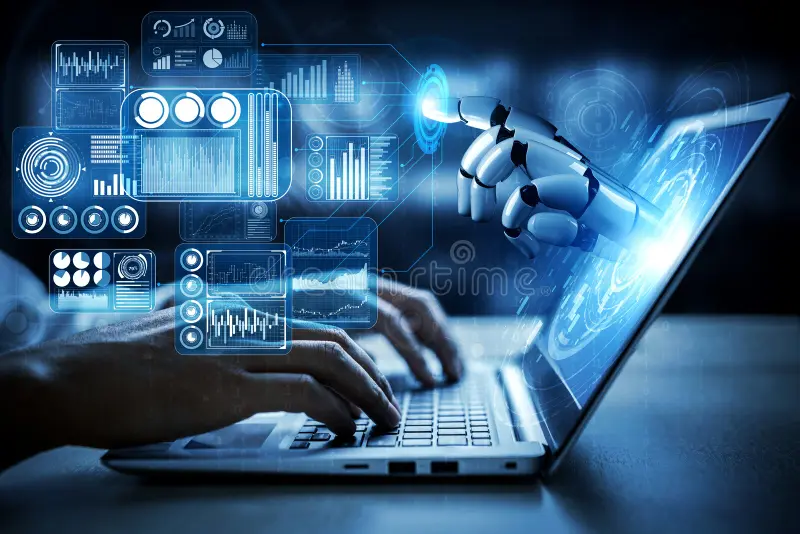
Importance of Intelligent Technology in Daily Life
Today, advanced digital systems are used in many activities without people even realizing it. Voice assistants like Siri and Google Assistant help users search for information, manage schedules, and control devices using voice commands. Streaming platforms and online shopping websites analyze user interests to provide personalized recommendations for movies, videos, and products.
In hospitals and healthcare centers, smart technologies support doctors by analyzing medical records and identifying health conditions more quickly. In educational platforms, personalized learning systems help students study according to their abilities and learning speed. This improves understanding and creates a better learning experience for students.
Business organizations also use advanced technologies to improve customer service, analyze market trends, and manage large amounts of information. Automated chat support systems help companies respond to customer questions more efficiently. In transportation, smart navigation tools and traffic monitoring systems are improving road safety and travel experiences.
Advantages of Smart Technologies
One of the biggest advantages of modern intelligent systems is automation. Repetitive tasks can be completed quickly with fewer mistakes, helping organizations improve productivity and save time. This allows employees to focus more on creative and strategic work instead of routine activities.
Another important benefit is faster data processing. Large volumes of information can be studied within seconds, helping businesses and researchers make informed decisions. Scientists and researchers also use advanced technologies in medicine, environmental studies, and space research to solve complex problems more effectively.
Technology-driven industries are also creating new employment opportunities. Skills related to machine learning, data science, programming, and automation are becoming highly valuable in today’s job market. Students and professionals who learn these skills may find better career opportunities in the future.
Challenges and Concerns
Even though intelligent systems provide many advantages, they also create certain concerns. One common issue is the possibility of job displacement because automated systems can perform some tasks previously handled by humans. Privacy and data security are also important concerns because digital systems collect and process large amounts of user information.
Another challenge is the responsible use of technology. Misuse of automated systems may lead to cybercrime, misinformation, and ethical problems. Because of this, governments, companies, and developers must ensure that technology is used carefully and responsibly for the benefit of society.
Future Scope of Artificial Intelligence
The future of Artificial intelligence-based technologies looks highly promising. Experts believe that smart systems will continue to improve industries such as healthcare, education, agriculture, finance, and transportation. Future developments may include intelligent robots, advanced healthcare support systems, and smarter city management solutions.
Modern technology can also support solutions for major global challenges like environmental protection, energy conservation, and disaster management. As the digital world continues to expand, individuals with technical knowledge and problem-solving abilities may find better career opportunities across different industries.
Conclusion
Artificial Intelligence has become an important part of modern life and continues to influence many industries in positive ways. It helps people complete tasks more efficiently, improves business operations, and supports innovation in areas such as healthcare, education, and transportation. While there are concerns related to privacy, security, and job replacement, responsible use of technology can create many benefits for society. With continuous advancements in digital innovation, intelligent systems are expected to play a significant role in improving the future of businesses, industries, and everyday life.


Comments
Post a Comment