The Critical Role of Soft Skills in Today’s Education: Preparing Students for Future Success
Introduction
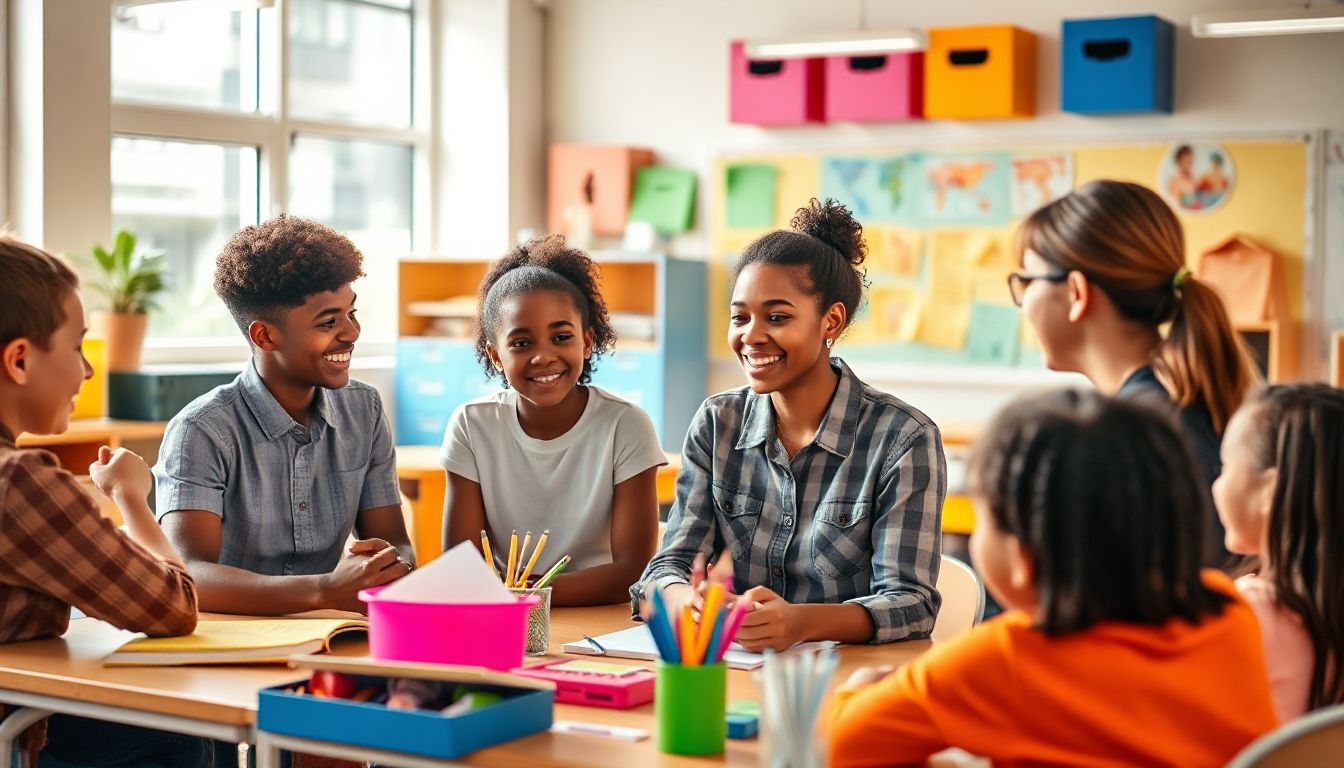
As the world changes faster than ever, so do the demands on students. Employers look beyond grades and test scores. They want people who can communicate well, solve problems, and work smoothly with others. Today, soft skills are just as important as academic knowledge. Schools need to focus on teaching these skills if they want students ready to face tomorrow’s challenges. Developing soft skills helps students grow into adaptable, confident, and teamwork-ready adults.
The Growing Importance of Soft Skills in the 21st Century
Changing Workforce Dynamics and Employer Expectations
Automation and artificial intelligence are changing the game. Robots and software can do many routine tasks better and faster. That means technical skills alone won't cut it anymore. Employers now prioritize soft skills like communication, flexibility, and leadership. Multiple studies show companies value these skills as much as technical know-how when hiring or promoting staff.
The Impact of Soft Skills on Career Success
Soft skills have a big say in how fast you advance at work. Being good at teamwork, managing your emotions, and solving problems can help you get raises or new opportunities. Successful professionals often say their soft skills made a difference. For example, leaders with empathy and clear communication build stronger teams and earn more trust.
Soft Skills as a Foundation for Lifelong Learning
These skills aren’t just for school or work. Soft skills help you keep learning and growing all your life. When you're resilient, curious, and good at managing your feelings, you can better handle setbacks. Soft skills like problem-solving and adaptability make it easier to learn new things or switch career paths.
Key Soft Skills Essential for Students Today
Communication Skills
Being able to speak, listen, and write clearly matters a lot. Good communication helps in school projects, and later, in work and personal life. Teachers can help students practice by giving presentations, group discussions, and writing assignments. Clear communication opens doors in all areas.
Critical Thinking and Problem Solving
Thinking deeply about a problem helps you find fresh solutions. These skills encourage innovation and good decision-making. Activities like puzzles or debates sharpen critical thinking. Students learn to analyze issues and come up with smart ideas.
Emotional Intelligence and Self-awareness
Understanding your feelings and reading others improves teamwork and reduces conflicts. Emotional intelligence helps students stay calm and empathetic. They can better manage stress and build strong relationships. Simple tools like journaling or role-playing boost self-awareness.
Collaboration and Teamwork
Few tasks are solo endeavors anymore. Students learn to share ideas, listen, and respect different opinions. Working on team projects enhances trust and cooperation. Teachers can foster teamwork through group activities and peer reviews.
Adaptability and Flexibility
The world shifts quickly, requiring students to be resilient and open to change. Whether it’s new technology or a different approach, being flexible is key. Activities that simulate real-world changes prepare students to stay calm and creative amid uncertainty.
Integrating Soft Skills into Educational Frameworks
Curriculum Design and Pedagogical Approaches
Smart schools embed soft skills through project-based learning and hands-on exercises. For example, group projects teach teamwork, while presentations boost speaking skills. Schools like this see students grow stronger in both knowledge and social skills.
Teacher Training and Development
Educators need tools to teach soft skills effectively. Professional development programs can help teachers learn how to guide students in communication, empathy, and problem-solving. When teachers grow, students benefit.
Use of Technology and Digital Platforms
Online tools make practicing soft skills fun and interactive. Virtual simulations can teach conflict resolution, while forums develop writing and communication. Digital platforms provide safe spaces for students to experiment and improve their skills.
Assessment and Feedback
Tracking soft skills can be tricky but necessary. Rubrics and self-assessments help identify strengths and areas to improve. Regular feedback motivates students to grow and refine their abilities continuously.
Challenges and Barriers to Teaching Soft Skills
Curriculum Overload and Academic Priorities
Adding soft skills to already packed schedules can seem tough. The focus on testing and grades often pushes softer skills aside. Schools need new ways to balance both.
Lack of Standardized Soft Skills Frameworks
Without clear standards, teaching soft skills becomes inconsistent. Different schools and teachers may define or measure these skills differently. Setting clear benchmarks can help.
Cultural and Societal Influences
Different backgrounds shape how students view behaviors like teamwork or honesty. Educators need to be sensitive and inclusive when teaching soft skills.
Solutions and Best Practices
Policymakers can support soft skills programs with funding and policies. Schools can partner with industry leaders to ensure students learn skills that matter. Teachers, parents, and communities must work together for real change.
The Future of Soft Skills in Education
Trends and Innovations
More personalized learning options are emerging. AI can help assess students’ soft skills and tailor activities to their needs. Global competencies like cultural awareness will also play bigger roles.
Policy and Institutional Changes Needed
Soft skills should be part of official education standards. When governments and educational bodies prioritize soft skills, schools will follow, making these skills a core part of learning.
Preparing Educators and Students for Future Challenges
Teachers need ongoing training in soft skills facilitation. Meanwhile, students should be encouraged to adopt a growth mindset—seeing challenges as opportunities to learn and improve. Cultivating curiosity and resilience prepares students for anything ahead.
Conclusion
Soft skills are no longer optional in education. They prepare students to succeed beyond textbooks and tests. Skills like communication, critical thinking, emotional intelligence, teamwork, and adaptability are vital for future job success and personal growth. Educators, parents, and policymakers must prioritize these skills today. Creating a balanced learning environment that values both hard facts and soft skills will shape confident, adaptable, and resourceful individuals. The future belongs to those who master both knowledge and empathy. It’s time we put soft skills at the heart of education for a better tomorrow.best software training institute in coimbatore brainery spot provide for soft skill for the college student


Comments
Post a Comment